AGP Executive Report
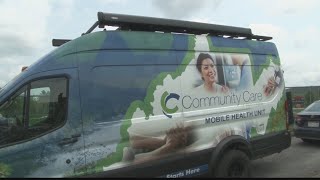
Last update: 9 hours agoMedical AI in WV: Vandalia Health Mon Medical Center in Morgantown became the first U.S. hospital to use AI-assisted technology during a heart rhythm ablation, combining live ultrasound guidance with a real-time electrical map. Public health watch: The cyclosporiasis outbreak keeps widening, with CDC reporting cases tied to shredded lettuce now in nine states including West Virginia, as officials sort out recalls and test results. Water infrastructure: Gov. Morrisey announced $1.8M for Hooverson Heights water treatment plant upgrades in Follansbee, replacing failing controls and adding redundancy for thousands of customers. Rural veterans care: A “hospital on wheels” program (GOHOSPITAL) is set to bring hospital-grade diagnostics to remote communities, with deployments planned for late 2026 into 2027. Workforce & tech access: WVSU Extension launched the Future Ready Youth Series, starting with a Career Discovery Camp for middle schoolers focused on tech, AI, and career planning. Education funding: Garrett College received a $5,000 Tucker Community Foundation grant to upgrade computers and classroom tech for its Adult Basic Education program. Climate impacts: Flash flooding devastated parts of West Virginia, with officials reporting major damage and emergency response across multiple counties. Energy sector shakeup: Pleasants Power Station’s operator filed for Chapter 11 bankruptcy, alleging fraud by former ownership while saying the plant will keep operating during the process.
Note: AI summary from news headlines; neutral sources weighted more to help reduce bias in the result. Feedback is welcome. Please let us know if you have any comments or suggestions about the AGP Executive Report.

 Perspectify News